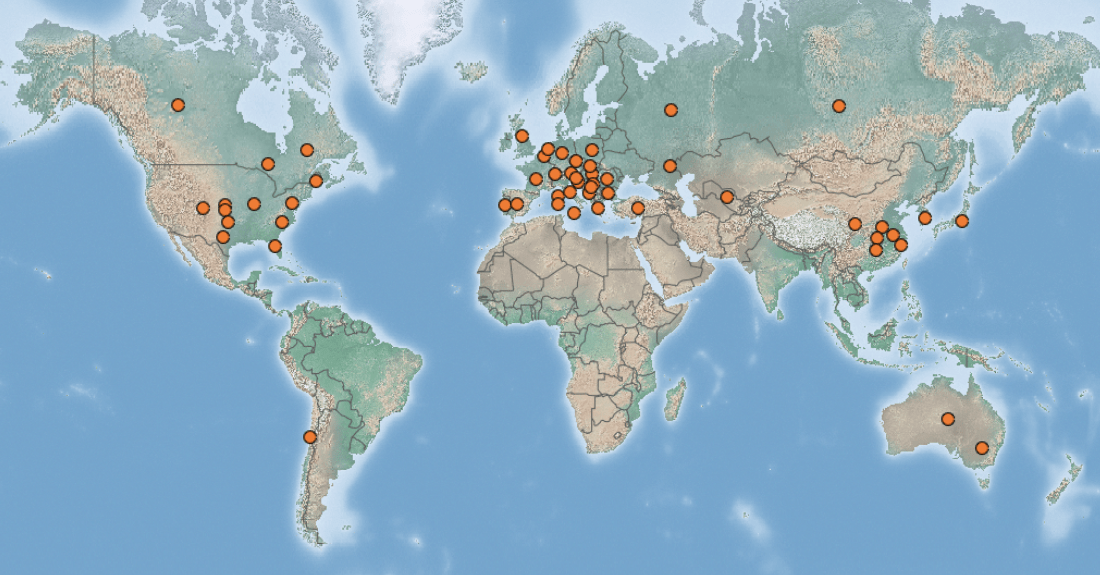
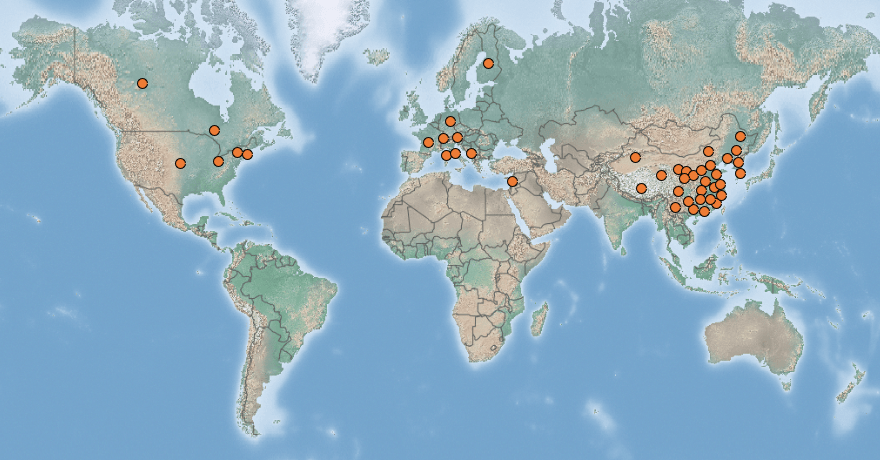
Corbiculafluminea (O.F.Müller, 1774) is an inland water, filter-feeding bivalve native to southeast Asia but causing numerous problems in its new range of distribution in the Americas, Europe and Australia. C. fluminea spreads when it is attached to boats or carried in ballast water, used as bait, sold through the aquarium trade and carried with water currents. Its reproductive success and ability to spread rapidly has resulted in this species having one of the most rapid expansions of any non-native species in North America. Before the invasion of the zebra mussel Dreissena polymorpha, in North America, C. fluminea was described by McMahon (1983) as ‘one of the most important molluscan pest species ever introduced into the United States’. Aldridge and Muller (2001) review the potential impacts that the spread of C. fluminea may have on British industry and aquatic systems. In the DAISIE project, C. fluminea is listed on the 100 worst invasive species (CABI 2019).
Status and distribution in Luxembourg
Records of Corbiculafluminea (O.F.Müller, 1774) in Luxembourg. Data source: Recorder-Lux, iNaturalist & GBIF, 2026-04-24.
In Luxembourg, Corbiculafluminea (O.F.Müller, 1774) was first documented by Klaus Groh on 17 June 1996 in the Moselle river in the municipality of Remich (MNHNL 2000-). It was expected by 1995 that the species would soon appear in the Moselle (Dhur & Massard 1995: 150).
An identification sheet of the species has been published by the MECDD in French and German. A flyer about invasive mussels has been published by natur&ëmwelt.
Dhur, G. & J.A. Massard, 1995. Étude historique et faunistique des Invertébrés immigrés ou introduits dans la Moselle luxembourgeoise et ses affluents. Bull. Soc. Nat. luxemb. 96: 127-156. [PDF 1896 KB]
MNHNL, 2000-. Corbiculafluminea (O.F.Müller, 1774) in Recorder-Lux, database on the natural heritage of the Grand Duchy of Luxembourg. Musée national d’histoire naturelle, Luxembourg. URL: https://mdata.mnhn.lu [Accessed 2019-10-24]
MNHNL, iNaturalist & GBIF, 2019. Corbiculafluminea (O.F.Müller, 1774) in MNHNL-mdata, online portal combining species observation from Recorder-Lux, iNaturalist and GBIF. National Museum of Natural History, Luxembourg. URL: https://mdata.mnhn.lu [Accessed 2019-10-24]
Ries, C., A. Arendt, C. Braunert, S. Christian, A. Dohet, A. Frantz, G. Geimer, M. Hellers, J. A. Massard, X. Mestdagh, R. Proess, N. Schneider & M. Pfeiffenschneider, 2017. Environmental impact assessment and black, watch and alert list classification after the ISEIA Protocol of invertebrates in Luxembourg. Bull. Soc. Nat. luxemb. 119: 63-70. [PDF 360 KB]
Chelicorophiumcurvispinum (G.O.Sars, 1895) (Syn.: Corophium curvispinum) These small crustaceans construct mud tubes on hard materials and are nocturnal filterers. Densities can be extremely high (over 200,000 individuals per m²). They are often associated with seaweeds. With their lifestyle, the crustaceans can provoke important ecological changes in occupied areas.
Chelicorophiumcurvispinum (G.O.Sars, 1895) was first documented by Guy Duhr in August 1992 in the Moselle near Stadtbredimus, municipality of Stadtbredimus (Dhur 1993 cited in Dhur & Massard 1995: 138).
Currently, there are no records of the species in the mdata.mnhn.lu portal (MNHNL, iNaturalist & GBIF 2020).
Duhr, G., 1993. Étude des espèces d’invertébrés immigrés ou introduites dans la Moselle luxembourgeoise et dans les écosystèmes aquatiques qui en dépendent. Historique et répartition actuelle. Centre univ. Luxemb., Dép. Form. pédag., mém. sci. 213 p.
Dhur, G. & J. A. Massard, 1995. Étude historique et faunistique des Invertébrés immigrés ou introduits dans la Moselle luxembourgeoise et ses affluents. Bull. Soc. Nat. luxemb. 96 : 127-156. [PDF 1896 KB]
Meisch, C. & J.A. Massard, 2015. Les recherches sur les crustacés (Crustacea) du Luxembourg : aperçu historique. Bull. Soc. Nat. luxemb. 116: 381-390. [PDF 1,22 MB]
MNHNL, iNaturalist & GBIF, 2020. Chelicorophium curvispinum in MNHNL-mdata, online portal combining species observation from Recorder-Lux, iNaturalist and GBIF. National Museum of Natural History, Luxembourg. URL: https://mdata.mnhn.lu [accessed 2020-03-13]
Ries, C., A. Arendt, C. Braunert, S. Christian, A. Dohet, A. Frantz, G. Geimer, M. Hellers, J. A. Massard, X. Mestdagh, R. Proess, N. Schneider & M. Pfeiffenschneider, 2017. Environmental impact assessment and black, watch and alert list classification after the ISEIA Protocol of invertebrates in Luxembourg. Bull. Soc. Nat. luxemb. 119: 63-70. [PDF 360 KB]
Page content last updated on 2020-04-28. Last proofread by Caroline Grounds on 2019-12-05.
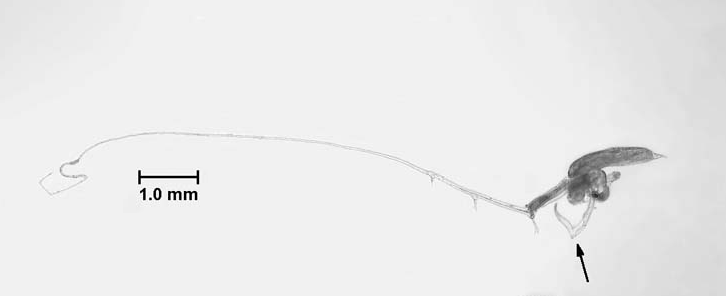
Cercopagis pengoi is a voracious predator which feeds on zooplankton and competes with native species. The species appears on the list of “One Hundred of the World’s Worst Invasive Alien Species” as defined by the Global Invasive Species Database (Lowe 2004, Luque et al. 2014).
Source: Wikimedia Commons (original file was cropped to show only this species). Arrow points to the thoracopods (feeding appendages).
Lowe S., M. Browne, S. Boudjelas, M. De Poorter, 2004. 100 of the World’s worst invasive alien species. A selection from the Global Invasive Species Database. The Invasive Species Specialist Group (ISSG) a specialist group of the Species Survival Commission (SSC) of the World Conservation Union (IUCN).
Luque, G.M., C. Bellard, C. Bertelsmeier, E. Bonnaud, P. Genovesi, D. Simberloff, F. Courchamp, 2014. The 100th of the world’s worst invasive alien species. Biol Invasions 16: 981-985. doi:10.1007/s10530-013-0561-5
MNHNL, iNaturalist & GBIF, 2020. Cercopagis pengoi in MNHNL-mdata, online portal combining species observation from Recorder-Lux, iNaturalist and GBIF. National Museum of Natural History, Luxembourg. URL: https://mdata.mnhn.lu [accessed 2020-03-13]
Ries, C., A. Arendt, C. Braunert, S. Christian, A. Dohet, A. Frantz, G. Geimer, M. Hellers, J. A. Massard, X. Mestdagh, R. Proess, N. Schneider & M. Pfeiffenschneider, 2017. Environmental impact assessment and black, watch and alert list classification after the ISEIA Protocol of invertebrates in Luxembourg. Bull. Soc. Nat. luxemb. 119: 63-70. [PDF 360 KB]
Page content last updated on 2020-04-28. Last proofread by Caroline Grounds on 2019-12-05.
AstacusleptodactylusEschscholtz, 1823 is a large Eastern European river crayfish. The Galician crayfish grows to a size of 16 to 18 cm, in extreme cases up to 25 cm. The basic colouration is usually light sand-coloured to light brown. It is slimmer than the Noble crayfish and its most conspicuous distinguishing features are the two extremely long, scissor-like claws (Wikipedia contributors 2019).
The crayfish prefers warm, nutrient-rich waters of the lowland or running waters with a slow current. It also lives in very muddy waters (swamp crayfish). If suitable embankments are available, it digs residential caves itself. It has a higher resistance against pollution than the Noble crayfish (Wikipedia contributors 2019).
Originally, the crayfish was resident in the catchment area of the Black Sea and the Caspian Sea. After the crab plague occurred, it was used in some waters of Central Europe, as it was thought that this species was resistant to the crab plague. All current occurrences in Central Europe are based on these stocking measures (Wikipedia contributors 2019).
Status and distribution in Luxembourg
Records of AstacusleptodactylusEschscholtz, 1823 in Luxembourg. Data source: Recorder-Lux, iNaturalist & GBIF, 2026-04-24.
AstacusleptodactylusEschscholtz, 1823 was first documented by Yoichi Machino in 1999 in ponds in the valley of the Rouderbaach creek (Grevenmacher) (MNHNL 2000-). Another documented occurence near the Belgium border north-west of Doncols might in reality be located in Belgium since the indicated GPS-precision is only 700 m and all other data from 1995 and 1996 are located in Belgium.
MNHNL, 2000-. AstacusleptodactylusEschscholtz, 1823 in Recorder-Lux, database on the natural heritage of the Grand Duchy of Luxembourg. Musée national d’histoire naturelle, Luxembourg. URL: https://mdata.mnhn.lu [Accessed 2019-10-24]
MNHNL, iNaturalist & GBIF, 2019. AstacusleptodactylusEschscholtz, 1823 in MNHNL-mdata, online portal combining species observation from Recorder-Lux, iNaturalist and GBIF. National Museum of Natural History, Luxembourg. URL: https://mdata.mnhn.lu [Accessed 2019-10-24]
Ries, C., A. Arendt, C. Braunert, S. Christian, A. Dohet, A. Frantz, G. Geimer, M. Hellers, J. A. Massard, X. Mestdagh, R. Proess, N. Schneider & M. Pfeiffenschneider, 2017. Environmental impact assessment and black, watch and alert list classification after the ISEIA Protocol of invertebrates in Luxembourg. Bull. Soc. Nat. luxemb. 119: 63-70. [PDF 360 KB]
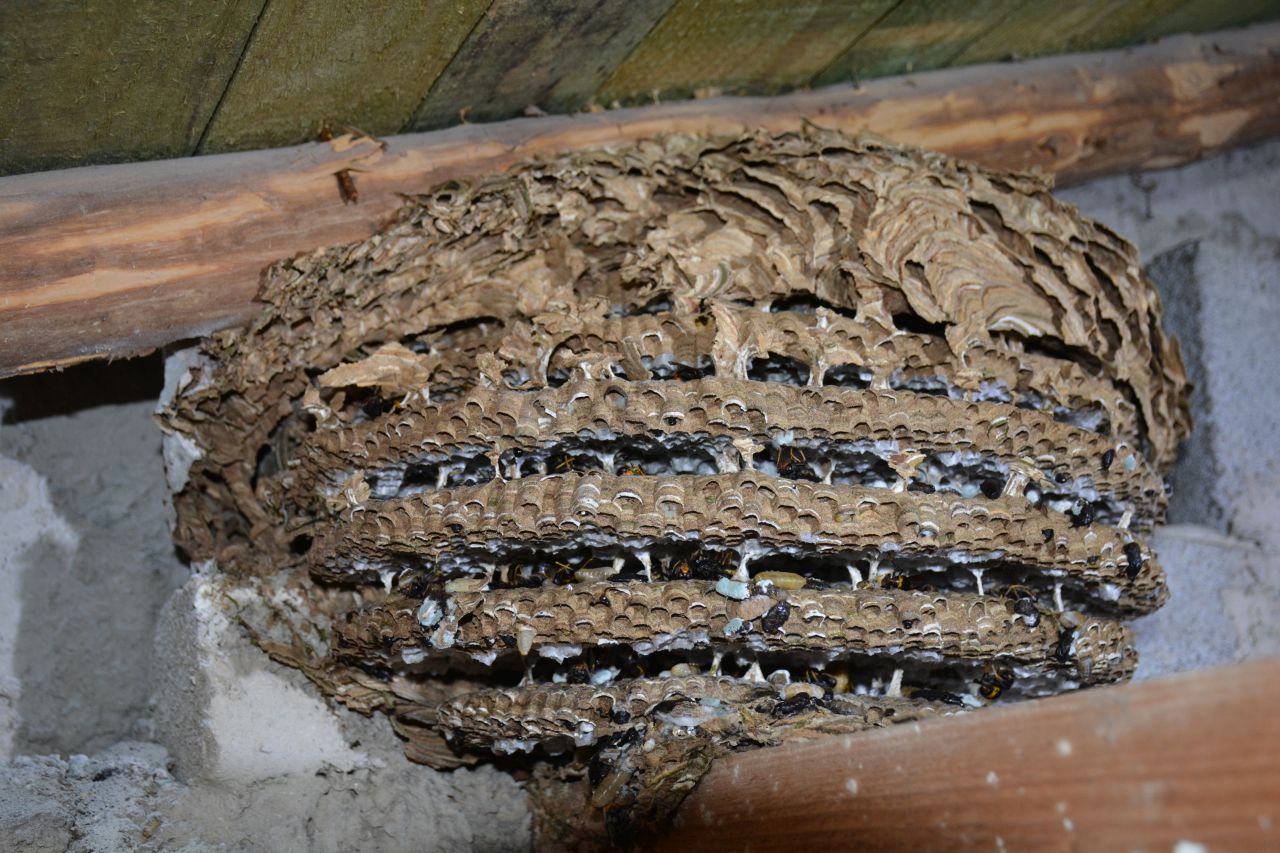
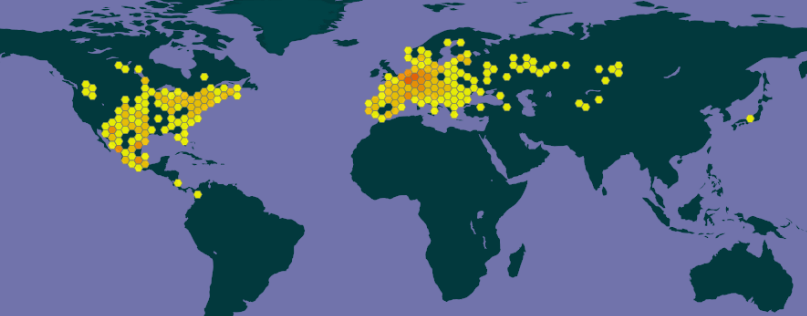
Vespavelutinanigrithorax du Buysson, 1905 (Hymenoptera: Vespidae) is a hornet of Asian origin which is a generalist predator of medium- to large-sized insects, and scavenger of vertebrate carrion. It has large impacts on Diptera and social hymenopterans, and in particular on honey bees (Apis spp.). It has recently been spreading in Asia (it is an invasive species in South Korea and Japan), and the subspecies V. v. nigrithorax has been accidentally introduced to Europe where it was first recorded from southern France in 2004 (Villemant et al. 2006a: 536, 2006b). Since then it has been found in Spain (2010; López et al. 2011), Portugal (2011; Grosso-Silva & Maia 2012), Belgium (2011, 2016; Barbier & Renneson 2018), Italy (2012; Federazione Apicoltori Italiani 2013), Germany (2014; von Orlow 2014), the Balearic Islands (2015; Leza et al. 2018), the Channel Islands (2016; States of Guernsey Government 2016), the UK (2016; Budge et al. 2017), the Netherlands (2017; Smit et al. 2017), Switzerland (2017; Ebener 2017), Luxembourg (2020; MNHNL, iNaturalist & GBIF, 2020). This invasive species can threaten honey production and native pollinating insects. In the current pollinator decline, V. velutina is an additional stressor for honeybees and other pollinators. Wild and honey bees represent at least one third of the diet of the Asian hornet (Monceau et al 2013). It may be introduced and transported accidentally with soil associated with plants, garden furniture and pots, timber, vegetables, camping equipment, etc. (CABI 2019).
Further invasions are expected in various countries covering much of Europe.
IAS of Union concern
In 2016, Vespavelutinanigrithorax du Buysson, 1905 was added to the list of invasive alien species of Union concern (Anonymous 2016) which implies that member states shall take all necessary steps to prevent it’s unintentional introduction or spread.
Status and distribution in Luxembourg
Records of Vespavelutinanigrithorax du Buysson, 1905 in Luxembourg. Data source: Recorder-Lux, iNaturalist & GBIF, 2026-04-24.
Vespavelutinanigrithorax du Buysson, 1905 was first recorded in the wild in Luxembourg by Thierry Helminger on 2nd September 2020: a few individuals on grapes from a vine in a garden (Helminger 2020, Ries et al. 2021).
Before that, in August 2012, the alleged first observation of Vespa velutina in Luxembourg was published in a daily newspaper, which turned out to be wrong, as it contains photos of V. crabro (Back 2012b). 11 days before, the same journalist had already published an article about this Asian hornet species in Belgium (Back 2012a).
By the end of 2021, 28 records of the Asian black hornet in Luxembourg were accessible through the MNHNL-mdata portal (MNHNL, iNaturalist & GBIF 2000-). As was to be expected, the number of observations shows an increasing tendency and reached 68 observations by the end of July 2024. 123 nests were removed by ANF in 2024. Since then, the number of reported observations has increased dramatically, and it can be assumed that the Asian hornet is now widespread throughout the country. It is therefore no longer possible for ANF specialists to combat all nests. Therefore e-mails to are no longer automatically forwarded. If you come across the species, please proceed as follows
1. If you wish to report a single sighting, please use a suitable platform such as iNaturalist.
2. This also applies to reports of nests outside of urban areas.
3. If you wish to report a nest on private ground in a residential area that may pose a potential health risk to the population, please contact a specialist company (pest control).
4. If you wish to report a nest in a public place or on a public building that may pose a potential health risk to the population, please contact the ANF ().
5. If you are experiencing problems with Asian hornets in relation to your bee colonies, please contact the Luxembourg Veterinary and Food Administration (Administration luxembourgeoise vétérinaire et alimentaire – ALVA) of the Ministry of Agriculture.
Since traps are not selective and have an important impact on non-target species, their use is not recommended. This also applies for queen trapping in spring. There is currently no effective method for specifically controlling the Asian hornet (Haxaire & Villemant 2010, Monceau et al 2023).
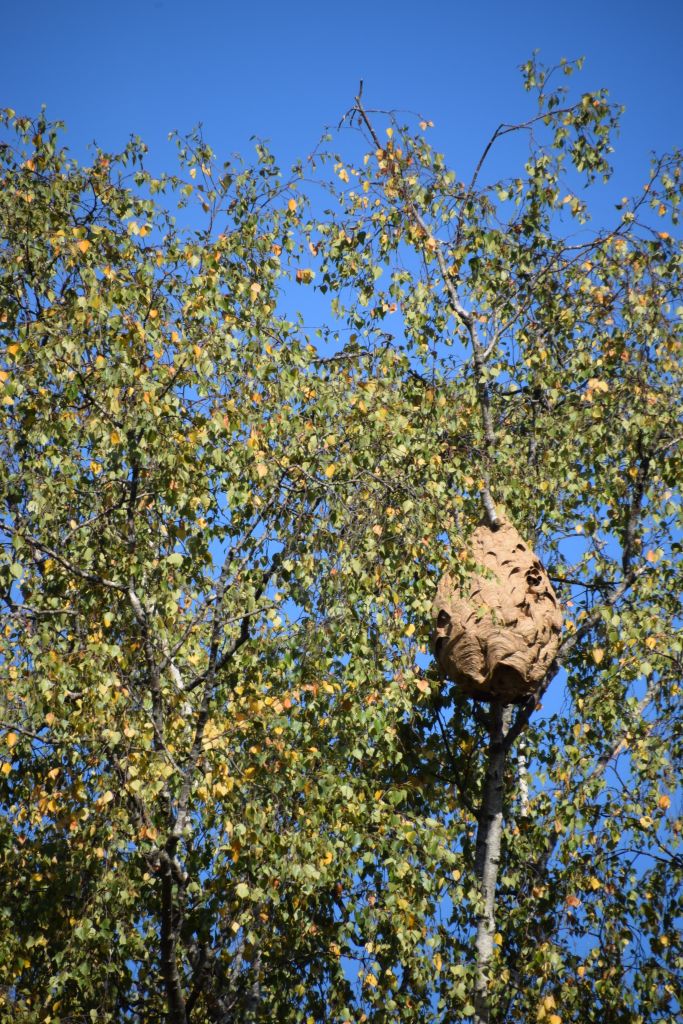
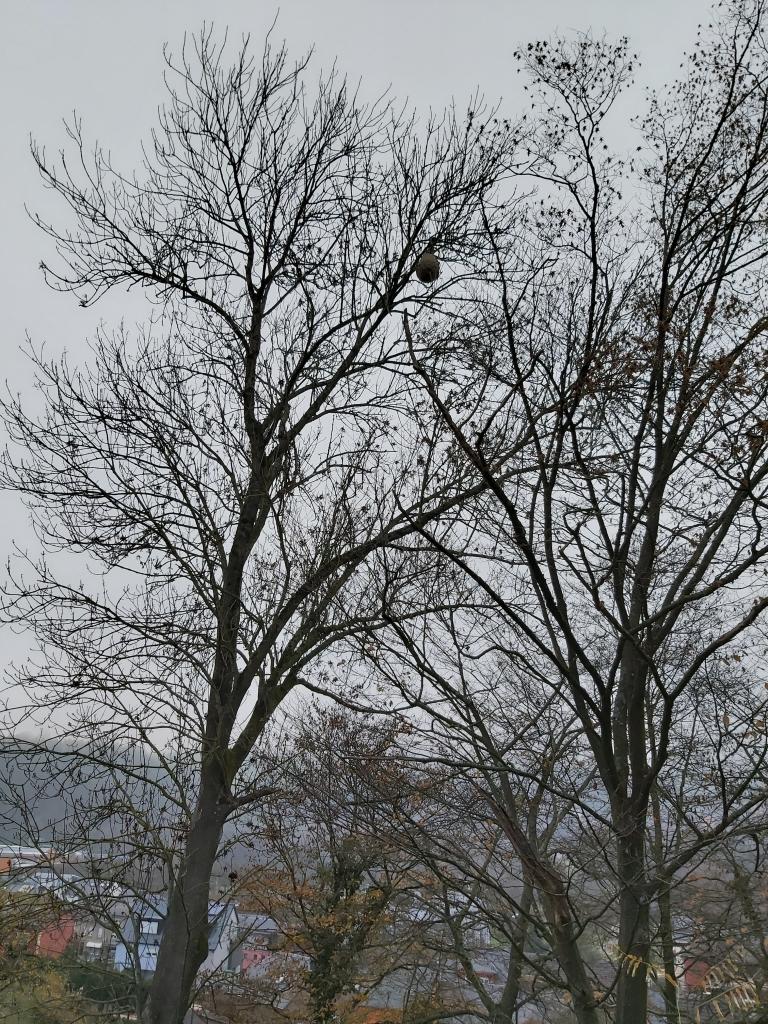
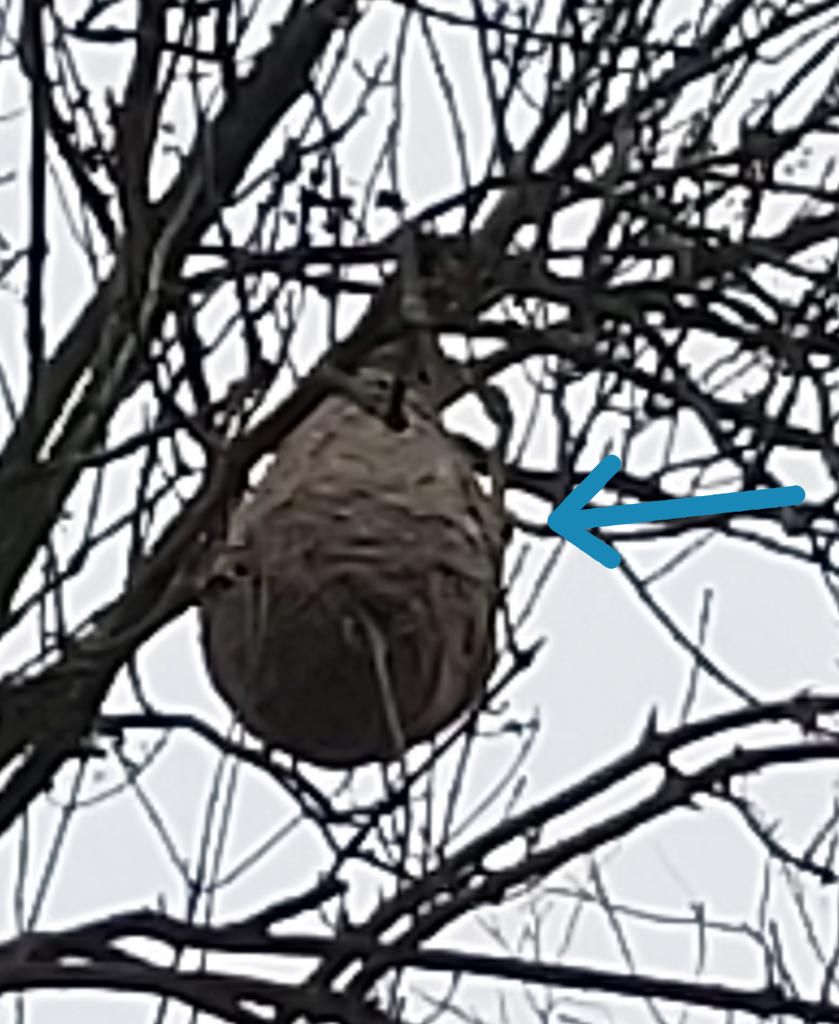
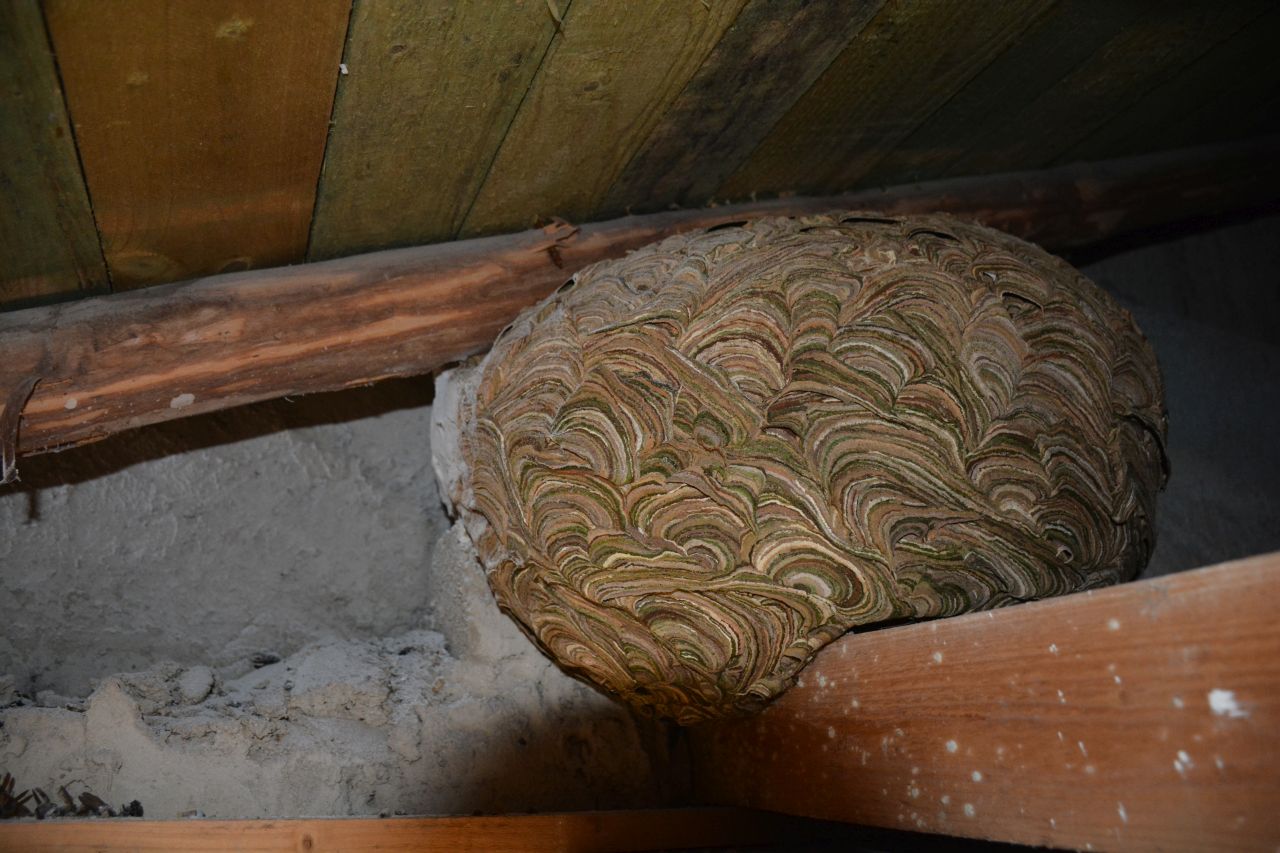
Photo gallery
Management
Action plan
An action plan concerning the Asian hornet has been published in 2021:
In 2026, the Ministry of the environment has launched an emergency plan. The aim of this plan is to organise a rapid and coordinated response in order to limit the spread of the Asian hornet and protect local biodiversity. To encourage the early removal of Asian hornet nests, the Ministry is introducing financial support for private landowners.
Risk assessment
ISEIA protocol
Following its discovery in Luxembourg on 2nd September 2020, the species has been reassessed on 3rd September to C1 (3+1+1+1) by Christian Ries. It has to be considered as C3 by now. Assessment before the appearance of the species in Luxembourg: C0 (3+1+1+1) (Ries et al. 2017: 69).
Harmonia+ protocol
Overall risk score 0,39 = (Overall Invasion score 0,72 x Overall Impact score 0,55) (Ries et al. 2021: 187-188).
Between the publication of the leaflet in 2016 (DE) and 2017 (FR) and the first observation of the Asian black hornet in Luxembourg on 2020/09/02, 18 reports were sent to the authorities, mostly mistaken for the native Eurasian hornet. 29 reports were sent between the first observation (2020/09/02) and the press release (2020/09/28), 12 were correct. After the press release, 103 reports were sent to date (2020/11/24), of which 11 were indeed reporting the Asian black hornet.
The following species have been mistaken for the Asian black hornet: Bombus sp. (1x), Dolichovespulasaxonica (1x),Dolichovespula sp. (1x), Polistes dominula (6x), Polistes nimpha (1x), Tabanus bovinus (2x), Vespa crabro (63x, the native Eurasian hornet), Vespula germanica (31x), Vespula sp. (1x), Volucella zonaria (2x; the hornet mimic hoverfly). Since then, the quality of the reports has improved significantly, and other species are rarely reported.
In 2022, the Luxembourg Nature and Forestry Administration has published a poster to help differentiate between the Asian Black Hornet (Vespa velutina nigrithorax) and the Native Hornet (Vespa crabro).
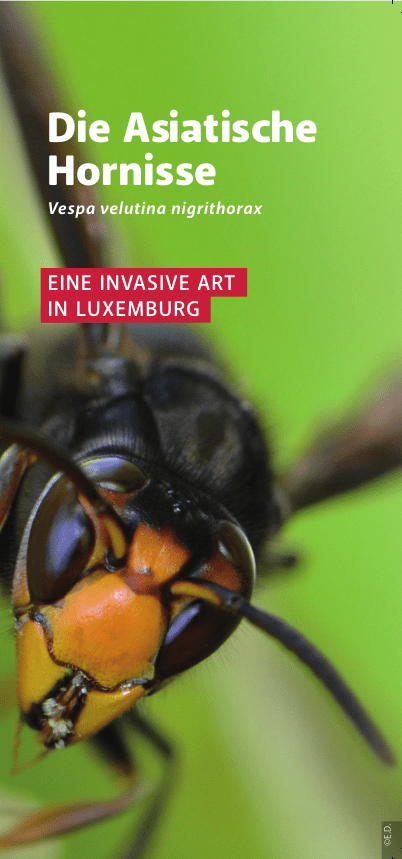
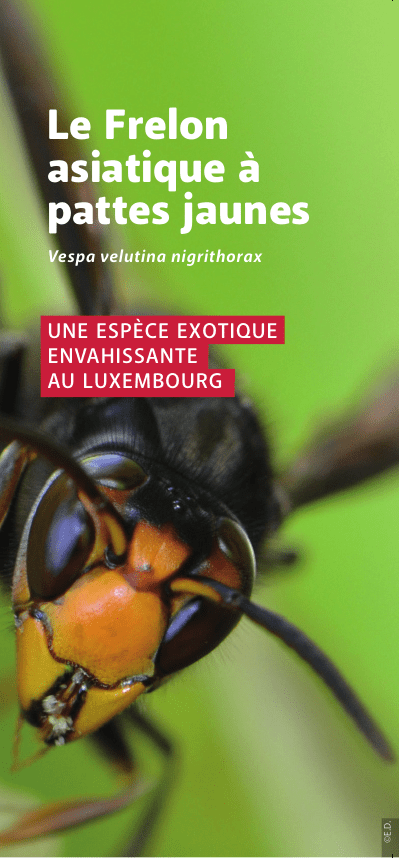
In spring 2016 the Department for the Environment of the Luxembourg Ministry of sustainable development and infrastructures published a leaflet in German about Vespa velutina, in co-operation with the Nature and Forestry Administration, the National Museum of Natural History, natur&ëmwelt and the national bee-keeping association. A French version was produced in spring 2017. It can be downloaded here in PDF format (~400KB each).
Links
Beehive protection: a transparent barrier which keeps hornets away from beehives, while providing safe outlets to allow them to fly around inside and outside the beehive in total safety to search for food.
Anonymous, 2016. Commission implementing regulation (EU) 2016/1141 of 13 July 2016 adopting a list of invasive alien species of Union concern pursuant to Regulation (EU) No 1143/2014 of the European Parliament and of the Council. Official Journal of the European Union L 189: 4-5.
Back, A., 2012a. Bienenfresser aus Fernost. Wallonien rüstet sich gegen die Asiatische Hornisse, Luxemburg blieb bislang verschont. Tageblatt 180, 2012-08-03: 7. [JPG]
Back, A., 2012b. Bienenfresser aus Fernost, Teil II. Asiatische Hornisse auch in Luxemburg angekommen. Tageblatt 189, 2012-08-14: 14. [JPG] [Note: This article in a daily newspaper about the arrival of Vespa velutina in Luxembourg is wrong, as it shows photos of V. crabro.]
Budge G.E., J. Hodgetts, E.P. Jones, J.C. Ostojá-Starzewski, J. Hall, V. Tomkies, et al., 2017. The invasion, provenance and diversity of Vespa velutina Lepeletier (Hymenoptera: Vespidae) in Great Britain. PLoS ONE 12(9): e0185172. https://doi.org/10.1371/journal.pone.0185172
CABI, 2019. Vespa velutina [text by Sarah Bunker, UK; CRCNPB Australia]. In: Invasive Species Compendium. Wallingford, UK: CAB International. URL: www.cabi.org/isc [accessed 2020-01-31]
Ebener, A., 2017. Arrivée du frelon asiatique en Suisse. Communiqué d’apiservice. URL: https://ffa-vfb.ch/2017/04/26/apiservice-arrivee-du-frelon-asiatique-en-suisse/
Federazione Apicoltori Italiani, 2013. Vespa velutina: prima segnalazione in Italia. E’ allarme!. Rome, Italy: Federazione Apicoltori Italiani.
Grosso-Silva J.M. & M. Maia, 2012. Vespa velutina Lepeletier, 1836 (Hymenoptera, Vespidae), new species for Portugal. In: Arquivos Entomolóxicos, 6 53-54.
Haxaire, J. & C. Villemant, 2010. Impact sur l’entomofaune des « pièges à frelon asiatique », Insectes, n° 159, supplément 2010 (4).
Helminger, T., 2020. Personal communication by e-mail to C. Ries on 3rd September 2020.
Leza M., M. Á. Miranda & V. Colomar, 2018. First detection of Vespa velutina nigrithorax (Hymenoptera: Vespidae) in the Balearic Islands (Western Mediterranean): a challenging study case. Biological Invasions. 20 (7), 1643-1649. https://link.springer.com/article/10.1007/s10530-017-1658-z DOI:10.1007/s10530-017-1658-z
López, S., M. González & A. Goldarazena, 2011. Vespa velutina Lepeletier, 1836 (Hymenoptera: Vespidae): first records in Iberian Peninsula. Bulletin OEPP/EPPO Bulletin. 41 (3), 439-441.
Monceau, K., O. Bonnard, D. Thiéry (2013): Vespa velutina: a new invasive predator of honeybees in Europe, Journal of Pest Science (2014) 87:1–16.
MNHNL, iNaturalist & GBIF, 2020. Vespavelutinanigrithorax du Buysson, 1905 in MNHNL-mdata, online portal combining species observation from Recorder-Lux, iNaturalist and GBIF. National Museum of Natural History, Luxembourg. URL: https://mdata.mnhn.lu [Accessed 2020-09-18]
Proess, R., 2021. Plan d’action pour espèces exotiques envahissantes au Grand-Duché de Luxembourg : le Frelon asiatique à pattes jaunes (Vespavelutinanigrithorax du Buysson, 1905). Version de janvier 2021. Plan élaboré pour le compte de l’Administration de la nature et des forêts, Luxembourg. 24 pp.
Renneson, J.-L. & N. Schneider, 2020. Rapport de visite de terrain – recherche du frelon asiatique à Junglinster. Rapport non-publié du 06/09/2020, Marbehan.
Ries, C., A. Arendt, C. Braunert, S. Christian, A. Dohet, A. Frantz, G. Geimer, M. Hellers, J. A. Massard, X. Mestdagh, R. Proess, N. Schneider & M. Pfeiffenschneider, 2017. Environmental impact assessment and black, watch and alert list classification after the ISEIA Protocol of invertebrates in Luxembourg. Bull. Soc. Nat. luxemb. 119: 63-70. [PDF 360 KB]
Ries, C., N. Schneider, F. Vitali & A. Weigand, 2021. First records and distribution of the invasive alien hornet Vespa velutina nigrithorax du Buysson, 1905 (Hymenoptera: Vespidae) in Luxembourg. Bulletin de la Société des naturalistes luxembourgeois 123: 181-193. [PDF 3 MB]
Smit, J., R van de Roer, R Fontein & A de Wilde (2017) Eerste vondst van de aziatische hoornaar Vespa velutina nigrithorax in Nederland (Hymenoptera: Vespidae). Nederlandse Faunistische Mededelingen 49: 1-10.
Villemant, C., J. Haxaire & J.-C. Streito, 2006a. Premier bilan de l’invasion de VespavelutinaLepeletier en France (Hymenoptera, Vespidae). Bulletin de la Société entomologique de France 111 (4): 535-538. [PDF]
Villemant, C., J. Haxaire & J.-C. Streito, 2006b. La découverte du frelon asiatique Vespa velutina, en France. In: Insectes, 143 (4) 3-7. [PDF]
von Orlow, M., 2014. Asiatische Hornisse hat Deutschland erreicht. Nachweis bei Karlsruhe / Imker befürchten Schäden an Bienenvölkern. URL: https://www.nabu.de/news/2014/09/17045.html
Page content last updated on 2026-04-15. Last proofread by Caroline Grounds on 2019-12-12.
Many authors use the English common name “yellow-leeged Asian hornet”, which is wrong in 2 ways: (1) not the legs, but the feet (tarsi) are yellow; (2) there is another subspecies, V. v. flavitarsis Sonan, 1939, which has yellow feet. So a better common name would refer to the subspecies name nigrithorax as Asian black hornet.[↩]
Many authors use the French common name “Frelon asiatique à pattes jaunes”, which is wrong in 2 ways: (1) not the legs (“pattes”), but the feet (“tarses”) are yellow; (2) there is another subspecies, V. v. flavitarsis Sonan, 1939, which has yellow feet. So a better common name would refer to the subspecies name nigrithorax as “Frelon asiatique à thorax noir”.[↩]
The German common name “Asiatische Hornisse” actually refers to the species Vespa velutina, of which only one, V. v. nigrithorax occurs in Europe. As soon as further subspecies arrive in Europe, such common names will be confusing.[↩]
Cf. the reference under the German common name.[↩]
LeptinotarsadecemlineataSay, 1824 is a major pest of potato crops. It is approximately 10 millimetres long, with a bright yellow/orange body and five bold brown stripes along the length of each of its elytra. Native to America, it spread rapidly in potato crops across America and then Europe from 1859 onwards. The Colorado beetle has a strong association with plants in the family Solanaceae, particularly those of the genus Solanum e.g.: Solanum nigrum (black nightshade), Solanum melongena (eggplant or aubergine), Solanum dulcamara (bittersweet nightshade), Solanum tuberosum (potato), Solanum lycopersicum (tomato) and the genus Capsicum (pepper) (Wikipedia contributors 2020).
Status and distribution in Luxembourg
Records of LeptinotarsadecemlineataSay, 1824 in Luxembourg. Data source: Recorder-Lux, iNaturalist & GBIF, 2026-04-24.
LeptinotarsadecemlineataSay, 1824 was first reported on 23rd June 1936 in Steinsel-Müllendorf, then in Limpertsberg, Mamer and Neuhäuschen in the same year. In 1937 it was reported from Eischen, Finsterthal and Beyren. By 1938 the whole country was infested. The details of this invasion were published by Jos Massard (2000).
The distribution of the species is still widespread all over the country, but populations have sharply decreased, particularly due to the decline of potato production, e.g. from >17000 ha in 1939 to 800 in 1995 (Massard 2000: 212).
Only 14 occurrences of the species are documented in the mdata.mnhn.lu portal, ranging from 1968 to 2019 (MNHNL, iNaturalist & GBIF 2020).
Massard, J. A., 2000. Le Doryphore et le Grand-Duché de Luxembourg (esquisse historique). Archives de l’Institut grand-ducal de Luxembourg, Section des sciences naturelles, physiques et mathématiques, NS 43: 175-217. (PDF 260 KB)
MNHNL, iNaturalist & GBIF, 2020. LeptinotarsadecemlineataSay, 1824 in MNHNL-mdata, online portal combining species observation from Recorder-Lux, iNaturalist and GBIF. National Museum of Natural History, Luxembourg. URL: https://mdata.mnhn.lu [accessed 2020-04-09]
Ries, C., A. Arendt, C. Braunert, S. Christian, A. Dohet, A. Frantz, G. Geimer, M. Hellers, J. A. Massard, X. Mestdagh, R. Proess, N. Schneider & M. Pfeiffenschneider, 2017. Environmental impact assessment and black, watch and alert list classification after the ISEIA Protocol of invertebrates in Luxembourg. Bull. Soc. Nat. luxemb. 119: 63-70. [PDF 360 KB]
Wikipedia contributors, 2020. ‘Colorado potato beetle’, Wikipedia, The Free Encyclopedia, 15 February 2020, 17:50 UTC, https://en.wikipedia.org/w/index.php?title=Colorado_potato_beetle&oldid=940950432 [accessed 2020-02-09]
Page content last updated on 2020-04-10. Last proofread by Caroline Grounds on 2019-12-10.
CorythuchaciliataSay, 1832 is a species of lace bug in the family Tingidae that is associated with sycamore trees. It originates in the New World, but has been introduced and has spread in Europe. It is a small, whitish insect and feeds on the underside of the leaves, sucking sap. In Europe, C. ciliata was first observed in 1964 in Padova, Italy, and has since spread throughout Southern and Central Europe, infesting the European hybrid plane (Platanus × acerifolia). Although it does not of itself kill trees, in Central Europe it is often found in association with two plant-pathogenic fungi which can kill trees, Apiognomonia veneta and Ceratocystis fimbriata, leading to the hypothesis that it may act as a vector for these fungi (Wikipedia contributors 2019).
Status and distribution in Luxembourg
Records of CorythuchaciliataSay, 1832 in Luxembourg. Data source: Recorder-Lux, iNaturalist & GBIF, 2026-04-24.
CorythuchaciliataSay, 1832 is considered widespread in Luxembourg. The sycamore lace bug was first observed in Luxembourg by Svenja Christian in 2010 in Wasserbillig. Schneider & Christian (2013) list 14 localities where the species occurred in 2012, while 17 observations are documented in the mdata.mnhn.lu portal (MNHNL, iNaturalist & GBIF 2020).
MNHNL, iNaturalist & GBIF, 2020. Corythucha ciliata in MNHNL-mdata, online portal combining species observation from Recorder-Lux, iNaturalist and GBIF. National Museum of Natural History, Luxembourg. URL: https://mdata.mnhn.lu [accessed 2020-03-13]
Ries, C., A. Arendt, C. Braunert, S. Christian, A. Dohet, A. Frantz, G. Geimer, M. Hellers, J. A. Massard, X. Mestdagh, R. Proess, N. Schneider & M. Pfeiffenschneider, 2017. Environmental impact assessment and black, watch and alert list classification after the ISEIA Protocol of invertebrates in Luxembourg. Bull. Soc. Nat. luxemb. 119: 63-70. [PDF 360 KB]
Schneider, N., 2014. Auf Spurensuche. 59. Platanennetzwanzen. Regulus 6/14: 27
Schneider, N. & S. Christian, 2013. Découverte de Corythucha ciliata (Say, 1832) et de Derephysia sinuatocollis Puton, 1879 au Luxembourg et autres observations dignes d’intérêt (Insecta, Hemiptera, Heteroptera). Bull. Soc. Nat. luxemb. 114: 105-109. [PDF 3386 KB]
CamerariaohridellaDeschka&Dimić, 1986 is a leaf-mining moth of the family Gracillariidae. The horse-chestnut leaf miner was first observed in North Macedonia in 1984, and was described as a new species in 1986. Its larvae are leaf miners on the common horse-chestnut (Aesculus hippocastanum). The horse-chestnut leafminer was first collected and inadvertently pressed in herbarium sheets by the botanist Theodor von Heldreich in central Greece in 1879. Cameraria ohridella causes significant damage, mainly late summer browning, to the appearance of horse-chestnut trees. Despite the poor appearance of these infested trees, there is no evidence that damage by the moth leads to tree death. Although horse-chestnut occurs naturally mostly above the 700–1000 m. contours the moth does well in well-watered places such as parks in cities and at low elevation but not well in the hotter parts of Europe e.g. Spain. Probably aided greatly by vehicular transport, the moth has attained a very rapid dispersal rate across Europe of 60 km per year (Wikipedia contributors 2020).
Status and distribution in Luxembourg
Records of CamerariaohridellaDeschka&Dimić, 1986 in Luxembourg. Data source: Recorder-Lux, iNaturalist & GBIF, 2026-04-24.
Nico Schneider observed and documented occurrences of CamerariaohridellaDeschka&Dimić, 1986 in 2003 in Luxembourg-Limpertsberg (Schneider 2003).
15 records of the horse-chestnut leaf miner are listed in the mdata.mnhn.lu portal ranging from 2007 to 2017 (MNHNL, iNaturalist & GBIF 2020).
MNHNL, iNaturalist & GBIF, 2020. Cameraria ohridella in MNHNL-mdata, online portal combining species observation from Recorder-Lux, iNaturalist and GBIF. National Museum of Natural History, Luxembourg. URL: https://mdata.mnhn.lu [accessed 2020-03-13]
Schneider, N., 2003. Auf Spurensuche. 21. Miniermotten. Regulus 9/03: 22.
Ries, C., A. Arendt, C. Braunert, S. Christian, A. Dohet, A. Frantz, G. Geimer, M. Hellers, J. A. Massard, X. Mestdagh, R. Proess, N. Schneider & M. Pfeiffenschneider, 2017. Environmental impact assessment and black, watch and alert list classification after the ISEIA Protocol of invertebrates in Luxembourg. Bull. Soc. Nat. luxemb. 119: 63-70. [PDF 360 KB]
Anoplophoraglabripennis (Motschulsky, 1853) is native to eastern China, and Korea. The Asian long-horned beetle has now been accidentally introduced into the United States, where it was first discovered in 1996, as well as Canada, and several countries in Europe, including Austria, France, Germany, Italy and UK. This beetle is believed to have been spread from Asia in solid wood packaging material. Due to high tree mortality caused by larval feeding outside its native range, A. glabripennis can change both forest and urban ecosystems. In the United States, it can potentially destroy 30.3% of urban trees and cause $669 billion in economic loss. Early detection is used to manage infestations before they can spread (Wikipedia contributors 2020).
Status and distribution in Luxembourg
There is no documented observation of Anoplophoraglabripennis (Motschulsky, 1853) in Luxembourg yet (MNHNL, iNaturalist & GBIF 2020).
Risk assessment
ISEIA protocol
B0 (3+3+2+1) = Alert List (Ries et al. 2017: 68).
Harmonia+ protocol
Overall risk score 0,10 = (Overall Invasion score 0,24 x Overall Impact score 0,50) (evaluated by Jennifer Cross, Svenja Christian and Roland Proess).
MNHNL, iNaturalist & GBIF, 2020. Anoplophoraglabripennis (Motschulsky, 1853) in MNHNL-mdata, online portal combining species observation from Recorder-Lux, iNaturalist and GBIF. National Museum of Natural History, Luxembourg. URL: https://mdata.mnhn.lu [Accessed 2020-03-04]
Ries, C., A. Arendt, C. Braunert, S. Christian, A. Dohet, A. Frantz, G. Geimer, M. Hellers, J. A. Massard, X. Mestdagh, R. Proess, N. Schneider & M. Pfeiffenschneider, 2017. Environmental impact assessment and black, watch and alert list classification after the ISEIA Protocol of invertebrates in Luxembourg. Bull. Soc. Nat. luxemb. 119: 63-70. [PDF 360 KB]


 | Wikispecies: n/a (2020) | CABI
 Corbicula fluminea (O.F. Müller, 1774) is an inland water, filter-feeding bivalve native to southeast Asia but causing numerous problems in its new range of distribution in the Americas, Europe and Australia. C. fluminea spreads when it is attached to boats or carried in ballast water, used as bait, sold through the aquarium trade and carried with water currents. Its reproductive success and ability to spread rapidly has resulted in this species having one of the most rapid expansions of any non-native species in North America. Before the invasion of the zebra mussel Dreissena polymorpha, in North America, C. fluminea was described by McMahon (1983) as ‘one of the most important molluscan pest species ever introduced into the United States’. Aldridge and Muller (2001) review the potential impacts that the spread of C. fluminea may have on British industry and aquatic systems. In the DAISIE project, C. fluminea is listed on the 100 worst invasive species (CABI 2019).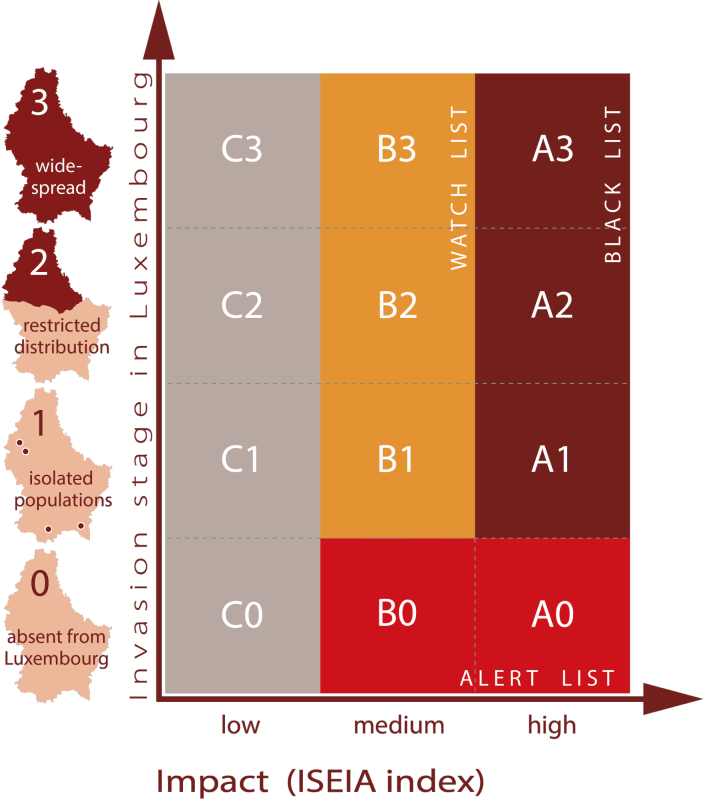




.jpg)



_(14198132866).png)
.jpg)